


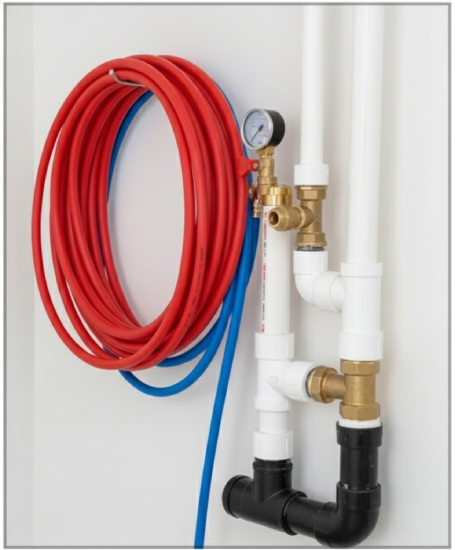
How to Choose the Right Pipe for Residential Use
Selecting the right pipe for your home is an important decision because it affects water quality, safety, and the lifespan of your plumbing system. When building or renovating a house, choosing the correct pipe ensures smooth water flow, fewer leaks, and lower maintenance costs in the future. This simple guide will help you understand the different types of pipes and how to choose the best one for your residential needs.
1. Understand Where the Pipe Will Be Used
Every pipe in a house has a different purpose. Before choosing a material, think about where the pipe will be installed.
-
Cold water supply – Needs durable, pressure-resistant pipes.
-
Hot water supply – Requires heat-resistant materials.
-
Drainage and waste lines – Must allow fast flow and prevent blockage.
-
Outdoor connections – Need weather-resistant pipes.
By understanding the usage, you can shortlist the right pipe type quickly.
2. Common Residential Pipe Materials Explained
Here are the most popular pipe materials used in homes today:
PVC Pipes
PVC is one of the most commonly used materials for drainage systems.
Benefits:
-
Lightweight
-
Easy to install
-
Low cost
-
Does not rust
Best For: Bathroom drainage, kitchen waste lines, vent lines.
CPVC Pipes
CPVC is similar to PVC but stronger and heat-resistant.
Benefits:
-
Can handle hot and cold water
-
Long life
-
Safe for drinking water
Best For: Bathroom pipelines, kitchen water supply, geyser connections.
Copper Pipes
Known for superior durability, copper is a premium choice.
Benefits:
-
Heat-resistant
-
Long-lasting
-
Safe for drinking water
Best For: High-pressure water lines, hot water systems, premium homes.
3. Check Water Quality in Your Area
Water quality affects the lifespan of your pipes.
-
If you live in a hard water area, use CPVC, PEX, or copper as they resist mineral deposits.
-
For soft water, PVC and CPVC also perform well.
-
If the water contains chemicals or chlorine, PEX and CPVC handle it better than metal pipes.
4. Consider Temperature & Water Pressure
Different pipe materials react differently to heat and pressure.
-
For hot water, avoid PVC.
-
For high-pressure systems, copper and PEX are ideal.
-
For cold water supply, PVC, CPVC, and PEX are good choices.
-
For drainage, PVC is the best and most economical option.
If you have a geyser, solar heater, or booster pump, choose pipes with high heat and pressure tolerance.
5. Think About Future Maintenance
Some pipes are easier to repair than others.
-
PEX is flexible, so maintenance is quicker.
-
PVC/CPVC are easy to cut and replace.
-
Copper needs experts for repair.
-
GI pipes take more time to fix due to rusting.
Choosing a low-maintenance pipe helps reduce future repair costs.
6. Keep Your Budget in Mind
Your budget also plays a role in choosing the right pipes.
-
Budget-friendly: PVC, CPVC
-
Moderate cost: PEX
-
High-cost but long-lasting: Copper
While cheaper pipes may save money now, high-quality pipes save you from leaks and repairs later.
7. Installation Requirements
Each pipe has different installation needs.
-
PEX requires special tools but is fast to install.
-
PVC/CPVC only need solvent cement.
-
Copper needs soldering and skilled technicians.
If you prefer quick and clean installation, PEX or CPVC are great choices.
Conclusion
Choosing the right pipe for residential use depends on where it will be used, the temperature, pressure, water quality, and your budget. For most modern homes, PEX and CPVC are ideal for hot and cold water supply because they are durable and low maintenance. PVC is perfect for drainage lines, and copper is a strong choice for premium long-lasting installations.

